


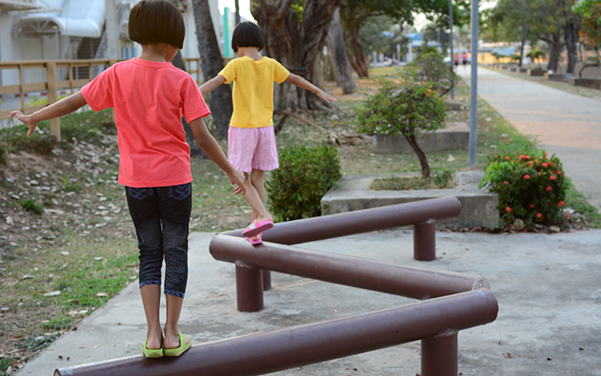
For many families, the early years are filled with movement, curiosity, and rapid developmental growth. This is one of the reasons gymnasium classes have become a popular choice for parents wanting their children to explore active learning in a structured setting. These sessions bring together play, physical development, and confidence-building wrapped in an environment that feels safe, engaging, and full of discovery. Programmes offering gymnastics classes for toddlers provide opportunities for children to learn through movement while forming habits that support long-term growth.
How Toddlers Stay Motivated Through Movement
A common concern for parents is whether children can sustain interest in structured activities. Toddlers are known for short attention spans and shifting moods, so maintaining enthusiasm becomes a crucial part of designing effective gymnasium classes. The most impactful programmes recognise this and build their sessions around variety, imagination, and achievable challenges.
Enthusiasm begins with novelty. Toddlers thrive when they are presented with new obstacles, colourful equipment, playful themes, and creative routines. Programmes offering gymnastics classes for toddlers usually incorporate rotations, ensuring that no single activity runs long enough to cause boredom.
Another key factor is success-based progression. In well-designed gymnasium classes, children are introduced to movements that feel challenging enough to be exciting, but manageable enough to accomplish. Each successful jump, balance, or climb boosts motivation. Children see themselves improving, which encourages them to stay engaged.
Instructor engagement strengthens this even further. Encouraging guidance, warm interactions, and simple cues help toddlers feel understood and supported. When children sense that adults are genuinely invested in their enjoyment, they respond with sustained interest and improved willingness to participate.
Why Consistent Movement Builds Lasting Habits
The long-term benefits of physical activity extend beyond immediate excitement or skill progression. When toddlers engage in structured movement regularly, they build habits that influence their development well into later childhood.
Repeated exposure to these small routines fosters discipline, predictability, and emotional regulation. Toddlers learn to manage transitions between activities, adjust their expectations, and recover from temporary frustrations. These are foundational skills for later classroom settings.
Regular participation also strengthens physical resilience. Toddlers who take part in gymnastics classes for toddlers develop coordination, strength, and flexibility. Their confidence increases as they navigate more complex activities, and these experiences become stepping-stones for other sports or physical interests later in life.
Cognitive development benefits, too. Movement stimulates brain activity, supporting areas linked to focus, reasoning, and problem-solving. Activities that require sequencing, balance, and spatial judgement help toddlers build neural pathways that influence early literacy and numeracy readiness.
Enthusiasm, when maintained, is what makes these benefits sustainable. Toddlers who look forward to gymnasium classes are more likely to stay active, explore movement beyond the gym, and develop a healthy relationship with physical activity.
The Power of Playful Structure
The key to sustaining enjoyment lies in merging structured learning with the spontaneity of play. Gymnasium classes that use imaginative themes help toddlers connect physically and creatively. This playful structure suggests toddlers learn best when activities are meaningful, fun, and rooted in imaginative engagement.
Playful structure also allows children to make decisions. A toddler choosing which coloured beam to walk across, or which soft block to climb, experiences autonomy. Autonomy fuels motivation, making learning feel self-directed rather than imposed.
This approach helps avoid monotony. While the skills being taught may be similar from week to week, the framing feels fresh. Maintaining enthusiasm becomes easier when children feel each class offers something new to try or explore.
Social and Emotional Growth Through Shared Activity
Movement-based learning is deeply social. In group classes, toddlers practise foundational social skills: taking turns, waiting patiently, sharing equipment, and responding to group signals. These experiences are essential for building empathy and communication.
Enthusiasm grows when children feel part of a community. They cheer for classmates, copy one another’s moves, and celebrate achievements. Instructors often weave group games into gymnastics classes for toddlers, fostering cooperation and teamwork.
Emotionally, consistent participation builds resilience. Toddlers learn that falling or wobbling is part of learning. They pick themselves up, try again, and realise improvement comes from practice. This mindset carries into all aspects of their early learning.
Where Enthusiasm Meets Growth
Gymnasium classes provide toddlers with an environment where movement sparks joy, learning, and confidence. Through varied activities, supportive instruction, and imaginative play, these programmes help maintain enthusiasm from week to week. Gymnastics classes for toddlers nurture emotional resilience, social growth, and early learning habits that shape a child’s long-term development. By creating experiences that are exciting, purposeful, and adaptable, gymnasium classes become a space where toddlers thrive. With the right balance of structure and fun, enthusiasm becomes a natural part of their learning journey.
Ready to see your toddler light up with movement and curiosity? Contact BearyFun Gym and discover how joyful gymnasium classes can support their growth today.
