


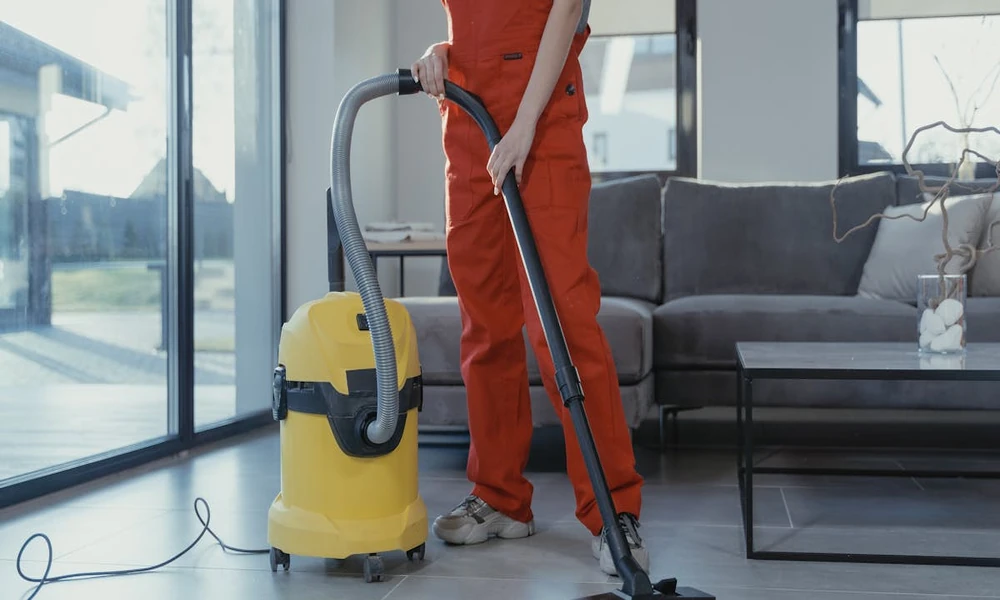
A clean and healthy school environment does more than improve appearances-it directly supports student learning, attendance, and overall well-being. Professional janitorial services for schools help educational facilities maintain sanitary classrooms, reduce the spread of illness, and create spaces where students and teachers can thrive. Here are five ways these services contribute to a better learning environment.
Key Takeaways
Clean classrooms help students stay focused and engaged by minimizing distractions.
Proper sanitation reduces illnesses, improving attendance and academic performance.
High-traffic areas require specialized cleaning protocols to maintain hygiene.
Routine cleaning helps lower long-term maintenance costs and extends the life of school facilities.
Choosing an experienced janitorial provider ensures consistent, high-quality cleaning that supports a healthier learning environment.
Clean Classrooms Improve Student Performance
A Cleaner Environment Encourages Better Focus
Students perform better in organized and well-maintained classrooms. Clean learning spaces reduce distractions, allowing students to concentrate on lessons rather than clutter or unpleasant conditions.
Professional janitorial services for schools help maintain classrooms by disinfecting surfaces, cleaning floors, and creating an organized environment that encourages learning. Research consistently shows that students are more engaged when classrooms are clean and comfortable.
Better Attendance Leads to Better Learning
Clean schools help reduce the spread of germs and illnesses. Fewer sick days mean students spend more time in the classroom, improving both attendance and academic achievement.
Regular cleaning of desks, shared equipment, and common areas helps create healthier learning environments for students and staff alike.
Proper Cleaning Protocols Protect Student Health
High-Traffic Areas Require Extra Attention
Certain areas experience constant use throughout the school day and require specialized cleaning procedures.
These areas include:
Restrooms.
Hallways.
Cafeterias.
Libraries.
Gymnasiums.
Janitorial services for schools focus on disinfecting these high-contact spaces to reduce bacteria, viruses, and cross-contamination.
Daily and Weekly Cleaning Work Together
An effective cleaning program combines daily maintenance with scheduled deep cleaning.
Daily cleaning typically includes:
Emptying trash bins.
Disinfecting frequently touched surfaces.
Sweeping and mopping floors.
Weekly deep cleaning often includes:
Carpet cleaning.
Window cleaning.
Furniture sanitization.
Floor polishing.
This balanced approach maintains consistent cleanliness while preventing long-term buildup.
Professional Cleaning Reduces Long-Term Costs
Prevent Facility Damage
Routine cleaning helps protect school buildings from premature wear and expensive repairs.
Dust, moisture, mold, and dirt can gradually damage flooring, walls, furniture, and HVAC systems. Investing in janitorial services for schools helps preserve school facilities and reduce maintenance expenses over time.
More Budget for Education
Reducing repair costs allows schools to redirect funds toward educational priorities such as classroom technology, instructional materials, and student programs.
Clean facilities become a long-term investment that benefits both school operations and student success.
A Healthier School Creates a Better Learning Environment
Healthy classrooms contribute to better academic performance by minimizing exposure to germs and allergens.
Professional cleaning services improve indoor air quality through routine dust removal, proper sanitation, and environmentally responsible cleaning practices.
Benefits include:
Reduced illness.
Cleaner air.
Improved classroom comfort.
Greater confidence among parents, students, and staff.
A healthier environment supports both physical wellness and educational achievement.
Choosing the Right Janitorial Partner Makes a Difference
Ask the Right Questions
Schools should carefully evaluate potential cleaning providers before making a decision.
Important questions include:
What cleaning methods are used?
Do you specialize in educational facilities?
Can you provide school references?
How do you respond to emergencies?
Are environmentally friendly products available?
These questions help identify providers with the experience needed to maintain educational environments.
Look for School Cleaning Experience
Educational facilities have unique cleaning requirements that differ from offices or commercial buildings.
Experienced janitorial services for schools understand:
Child-safe cleaning practices.
High-traffic sanitation requirements.
Classroom disinfection procedures.
Flexible scheduling around school activities.
Customized cleaning plans for different facilities.
Working with an experienced provider helps schools maintain consistently high standards of cleanliness throughout the year.
FAQ
Why are professional janitorial services important for schools?
Professional cleaning helps reduce the spread of illness, improves indoor air quality, and creates a healthier learning environment for students and staff.
How often should schools be professionally cleaned?
Daily cleaning combined with weekly deep cleaning is generally recommended to maintain proper hygiene.
What areas require the most attention?
Restrooms, cafeterias, classrooms, hallways, gyms, and frequently touched surfaces require the most consistent cleaning.
Are environmentally friendly cleaning products available?
Yes. Many providers use eco-friendly cleaning products that are effective while remaining safe for students and staff.
Can janitorial services help during health emergencies?
Yes. Professional cleaning companies can implement enhanced disinfection protocols during outbreaks or emergency situations.
How can schools improve communication with their cleaning provider?
Regular meetings, inspection reports, and scheduled performance reviews help maintain strong communication and consistent service quality.
What should schools look for when hiring a janitorial company?
Schools should prioritize experience with educational facilities, trained staff, customized cleaning plans, transparent communication, and reliable customer service.
